
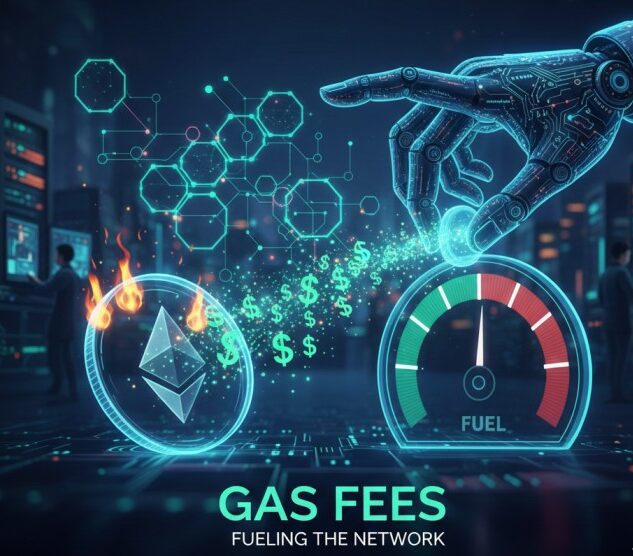
Every time you send, buy, trade, or interact with cryptocurrency, you pay something called a gas fee. Many beginners get confused when they see this extra cost added to their transaction. But gas fees are not random charges. They play a major role in how blockchains operate and stay secure.
Gas fees are simply the cost of using the network. When you understand how they work, you can avoid high fees, plan your transactions better, and choose the right blockchain for your needs.
What Are Gas Fees in Crypto?
Gas fees are small payments made to blockchain validators. These validators process transactions and keep the network running smoothly. Without them, the entire system would stop.
You can think of gas fees as the “service cost” of using a blockchain.
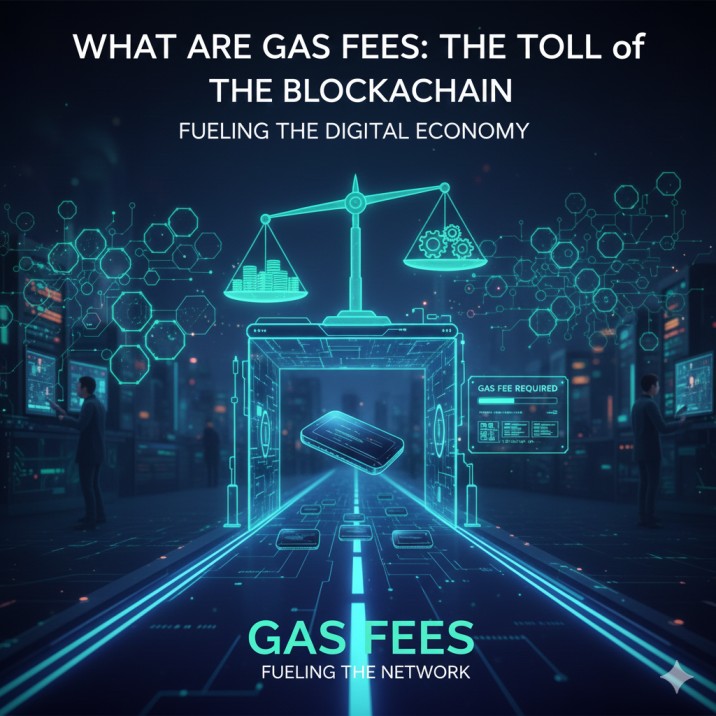
Just like you pay tolls on busy roads, you pay gas to move your transaction through the network.
What Gas Fees Cover?
It covers:
- Transaction processing
- Network security
- Preventing spam and overload
- Rewarding validators for their work
Gas fees show that a blockchain is functioning and active.
Why Gas Fees Matter?
Gas fees may sound annoying, but they are essential to blockchain safety. They keep the network reliable and trustworthy. The higher the demand, the more people are willing to pay to get their transaction processed faster.
Here’s why gas fees matter:
1. They Incentivize Validators:
Validators use powerful computers to verify transactions. Gas fees reward them for this work.
2. They Prevent Spamming:
If transactions were free, bots could flood the network. Gas fees stop this by making spam expensive.
3. They Show Network Activity:
High gas fees usually mean the blockchain is busy. Low fees mean the network is calm.
4. They Affect User Decisions:
When gas is high, traders think twice before making small transactions.
How Gas Fees Work on Different Blockchains?
Gas fees don’t work the same everywhere. Here’s how they vary across major blockchains:
Ethereum
Ethereum is known for high gas fees during busy hours.
Its fees depend on:
- Network traffic
- Complexity of the transaction
- Gas limit and gas price
A simple transfer may cost a few dollars.
A complex transaction like swapping tokens or minting NFTs may cost much more.
Bitcoin
Bitcoin doesn’t use the word “gas fees”. But it has transaction fees. The fee depends on:
- Block space
- Network congestion
Bitcoin transactions are usually cheaper than Ethereum but slower during busy periods.
Binance Smart Chain (BSC)
BSC offers low fees and fast transaction times. This makes it popular for traders, beginners, and developers.
Solana
Solana is famous for extremely low fees, often less than a cent. It can process a large number of transactions at once.
Polygon
Polygon reduces Ethereum’s high gas fees by handling transactions off-chain before sending them to Ethereum.
Each blockchain sets its own rules for fees. Some are built for speed. Others value decentralization. It all depends on what you prefer.
Factors That Affect Gas Fees
Gas fees can change quickly. They depend on a few important factors:
1. Network Congestion:
More users = higher fees.
Less activity = lower fees.
2. Transaction Complexity:
Simple transfers cost less.
Smart contract interactions cost more.
Examples of complex transactions:
- Swapping tokens
- Adding liquidity
- Minting NFTs
- Using decentralized apps
3. Gas Limit:
This is the maximum amount of gas you’re willing to pay. Complex tasks require a higher gas limit.
4. Gas Price:
This is how much you are willing to pay per unit of gas. The higher your gas price, the faster your transaction gets processed.
Gas fees are almost like bidding. If you pay more, your transaction gets priority.
How to Reduce Gas Fees?
Gas fees can be annoying during peak times, but smart users know how to reduce them. You can save money by following a few simple habits.
1. Avoid Busy Hours:
Fees rise during high activity. Late nights and weekends usually offer lower fees.
2. Choose Faster Blockchains:
Using networks like BSC, Solana, or Polygon can help you save a lot.
3. Use Layer-2 Solutions:
These solutions sit on top of bigger blockchains like Ethereum. They reduce congestion and lower costs.
Examples:
- Arbitrum
- Optimism
- zkSync
4. Check Gas Trackers:
Websites and apps show real-time gas prices. This helps you choose the right moment to make a transaction.
5. Plan Your Moves:
Instead of making many small transactions, combine them into one.
Why Gas Fees Will Continue to Evolve?
Gas fees are not fixed. Blockchain developers are always finding ways to reduce fees and increase speed. Ethereum, for example, is upgrading its system to make transactions cheaper and more efficient. New blockchains are competing by offering low-cost alternatives.
This means gas fees will keep changing as the crypto industry improves.
Conclusion:
Gas fees are a natural part of blockchain technology. They support validators, secure the network, and keep the system balanced. Once you understand how they work, you can avoid unnecessary costs and make smarter decisions.
Whether you are buying crypto, trading, minting NFTs, or using DeFi apps, gas fees will always matter. With the right strategies, you can keep your costs low and protect your profit.