
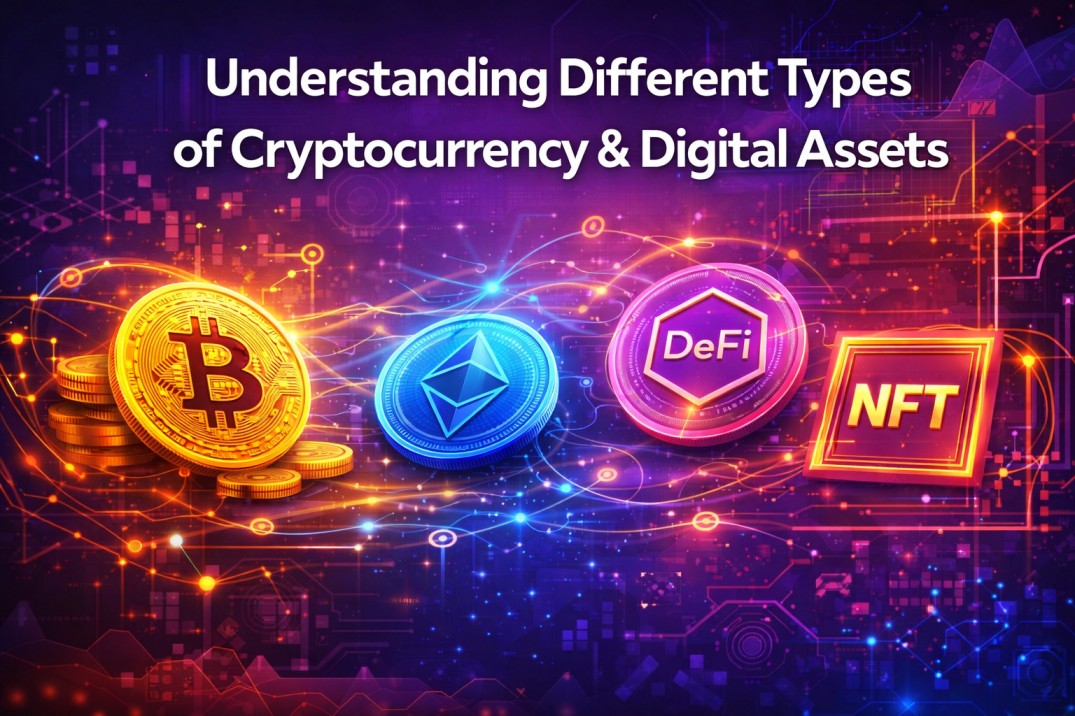
Entering the Crypto World for the First Time
People usually enter the crypto space with mixed feelings. Prices change quickly, names feel unfamiliar, and information appears scattered. Instead of trying to understand everything at once, many beginners slowly explore different assets as they encounter them in real situations.
Why Not All Cryptocurrencies Are the Same
After some time, users begin to notice that not every cryptocurrency behaves the same way. Some are mentioned mainly in payment discussions, while others appear in conversations about platforms, applications, or digital services.
Payment-Based Cryptocurrencies
Certain digital assets are mainly encountered when people try sending value from one person to another. These often come up during peer‑to‑peer transfers or international payments, where ease of movement matters more than extra features.
Platform and Smart Contract Assets
As exploration continues, users notice assets connected to platforms rather than simple transfers. These assets are discussed in relation to applications, digital agreements, and services that operate without traditional intermediaries.
Stable Digital Assets and Practical Use
After experiencing sharp price changes, many beginners naturally look for more predictable options. Stable digital assets are commonly used in situations where consistency matters, such as temporary holding or everyday transactions.
Utility Tokens in Everyday Platforms
While interacting with different platforms, users often come across tokens linked to specific functions. These assets are usually discussed in the context of access, usage, or participation rather than price movement.
Governance and Community-Based Assets
Some assets are introduced during discussions about decision‑making and community participation. Over time, users understand that these tokens represent involvement in how certain platforms evolve.
Asset Ownership Through Non‑Fungible Tokens
Exploring digital ownership often leads users to assets that represent uniqueness rather than exchange. These are commonly associated with creative work, identity, or access rights instead of everyday payments.

Store‑of‑Value Digital Assets
Certain cryptocurrencies are mainly discussed in long‑term holding conversations. People refer to these assets as reserves rather than tools for frequent transactions.
Wrapped and Cross‑Chain Assets
When moving between different networks, users may notice assets that act as representations across systems. These assets appear mostly in conversations about compatibility and interaction between platforms.
How Beginners Usually Learn to Differentiate Assets
Understanding asset types rarely happens all at once. Most people learn gradually by observing patterns, making small mistakes, and gaining experience over time.
Choosing Assets Based on Purpose, Not Hype
With experience, users start matching assets to specific needs. This shift usually reduces confusion and emotional reactions compared to following trends blindly.
Risk Awareness Across Asset Types
As users explore different assets, they also notice that risks are not the same everywhere. Recognizing these differences becomes part of learning how the ecosystem works.
How Digital Assets Fit Alongside Traditional Systems
Digital assets often exist alongside traditional financial tools rather than replacing them. People tend to use each system where it feels most practical.
Learning at a Comfortable Pace
Beginners usually benefit from slowing down and focusing on one area at a time. This approach builds confidence and avoids unnecessary pressure.
Final Thoughts: Understanding Before Participation
The crypto ecosystem includes many asset types with different roles. Taking time to understand these differences helps newcomers navigate the space more calmly and thoughtfully.