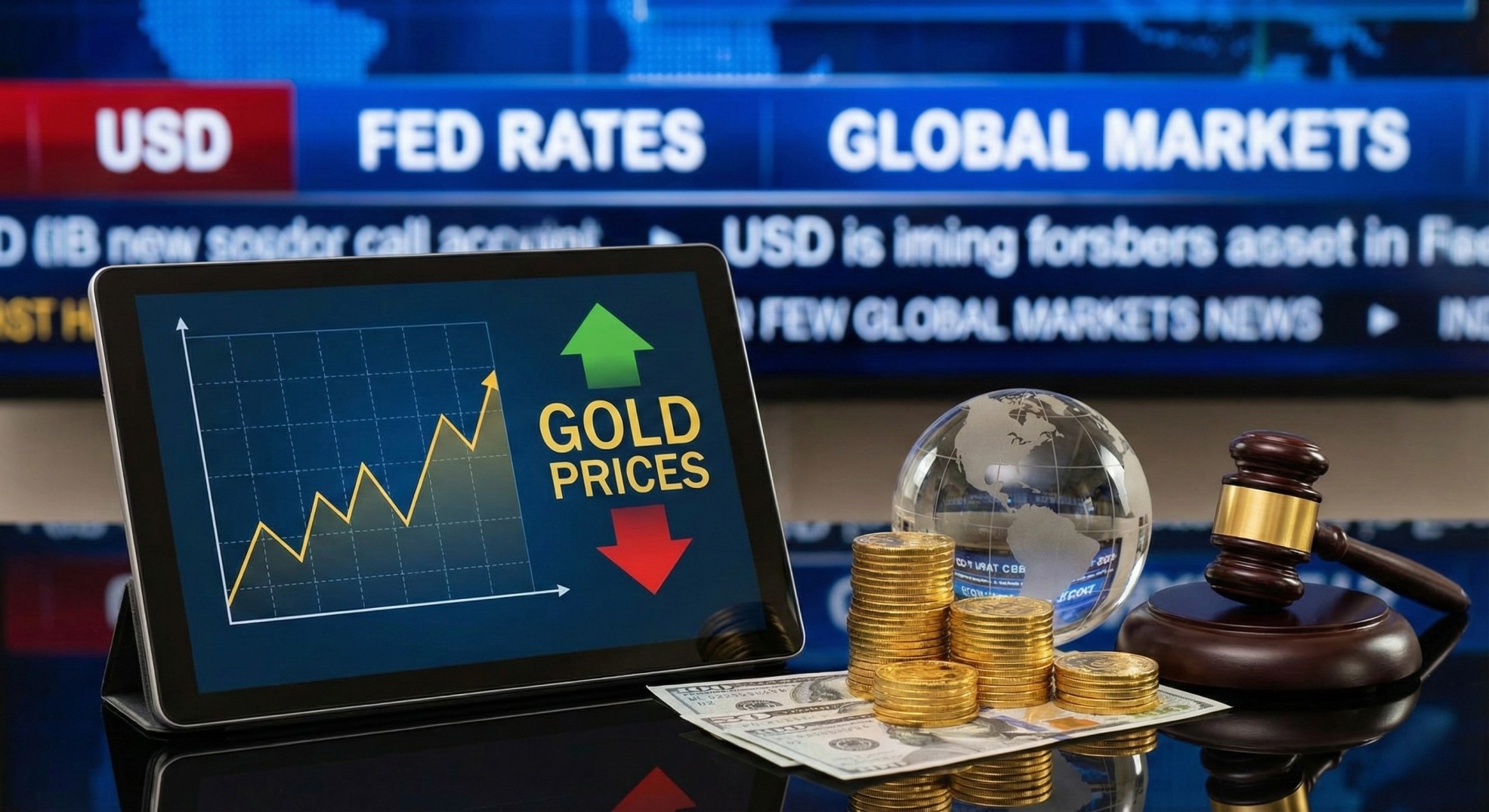
Gold has always been considered a safe-haven asset, attracting investors during periods of economic uncertainty. However, its price is not determined randomly. It reacts dynamically to several macroeconomic factors. Understanding how gold correlates with the US dollar (USD), interest rates, and global events is essential for traders, investors, and anyone interested in precious metals trading.
Gold and the US Dollar (USD) Correlation
Gold and the US dollar share an inverse relationship in most market conditions. This means that when the dollar strengthens, gold prices often fall, and vice versa.
Why it happens: Gold is priced in USD globally. A stronger dollar makes gold more expensive for buyers holding other currencies, reducing demand. Conversely, a weaker dollar increases gold’s affordability, boosting demand and prices.
Example: If the USD index rises due to strong economic data in the US, gold often dips as investors shift to dollar-denominated assets.
Tip for traders: Monitoring the DXY (US Dollar Index) can provide early signals for potential gold price movements.
Impact of Interest Rates on Gold
Interest rates, particularly in the US, are closely watched by gold traders. Central banks use rates to control inflation and economic growth, which directly affects gold’s appeal.
- Higher interest rates: Gold does not yield interest, so when rates rise, interest-bearing assets like bonds become more attractive. This often leads to a drop in gold prices.
- Lower interest rates: When rates are cut, gold becomes a preferred store of value, causing prices to rise.
Example: During periods of low interest rates after economic crises, gold prices historically surged as investors sought safe-haven assets.
Tip for traders: Keep an eye on Federal Reserve announcements and central bank meetings, as rate changes can trigger strong short-term gold movements.
Global Events and Gold Price Volatility
Gold is highly sensitive to geopolitical tensions, financial crises, and pandemics. These events increase uncertainty, and investors flock to gold to protect wealth.
- Wars and conflicts: Geopolitical instability in regions like the Middle East often pushes gold prices upward.
- Economic crises: Financial turmoil, such as stock market crashes or banking collapses, tends to increase demand for gold.
- Pandemics or global shocks: Events like COVID-19 trigger a flight to safety, boosting gold prices significantly.
Tip for traders: Staying informed on global news, trade tensions, and political developments helps anticipate sudden gold price swings.
Combining USD, Interest Rates, and Global Events
Gold price behavior is most predictable when you analyze these three factors together:
- A weak USD + low-interest rates + global uncertainty often leads to a sharp rise in gold prices.
- Conversely, a strong USD + high-interest rates + stable geopolitical conditions generally pressure gold prices downward.
Example Scenario: In 2020, during the COVID-19 pandemic, the US Federal Reserve cut interest rates while uncertainty surged globally. The USD experienced volatility, but gold prices skyrocketed as investors sought safety.
Tip for traders: Use multi-factor analysis, not just one variable. Combining economic indicators with geopolitical insights increases trading accuracy.
Practical Trading Advice
1. Monitor the USD: Check currency indexes daily.
2. Watch interest rate signals: Follow central bank statements and economic reports.
3. Track global news: Stay aware of geopolitical events, stock market performance, and commodity trends.
4. Diversify strategies: Gold often reacts differently from other assets, so integrating it into a broader portfolio can reduce risk.
Pro Tip: Short-term traders should watch for news-driven spikes, while long-term investors benefit from understanding macroeconomic trends affecting gold.
Conclusion:
Gold is more than just a precious metal; it’s a dynamic financial instrument influenced by USD fluctuations, interest rate decisions, and global events. Traders and investors who understand these correlations can make informed decisions, whether for hedging, speculation, or portfolio diversification.
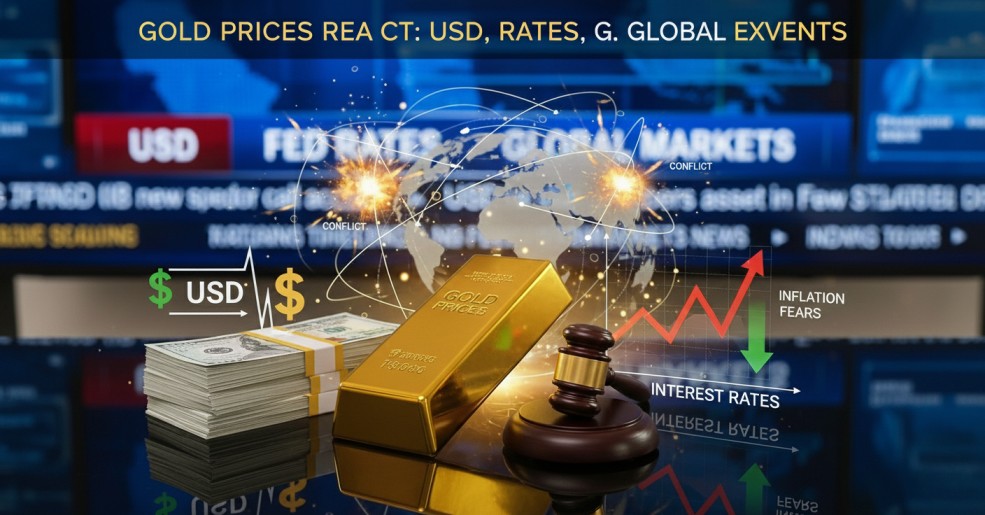
By combining macroeconomic analysis with real-time news monitoring, you can anticipate trends in gold prices and minimize risk while maximizing potential gains.