In the world of finance, the term “security market index” may not be as commonly known as something like the S&P 500 or Dow Jones, but it plays a crucial role in how we track and understand financial markets. Whether you’re an experienced investor or just starting out, understanding security market indices is essential for making well-informed decisions.
In this article, we’ll break down exactly what a security market index is, how it works, and why it’s so important. By the end of this article, you’ll know how security market indices track global financial markets, how they differ from traditional stock indices, and how they can help with investment diversification.
Let’s dive in!
What Is a Security Market Index? Definition and Overview
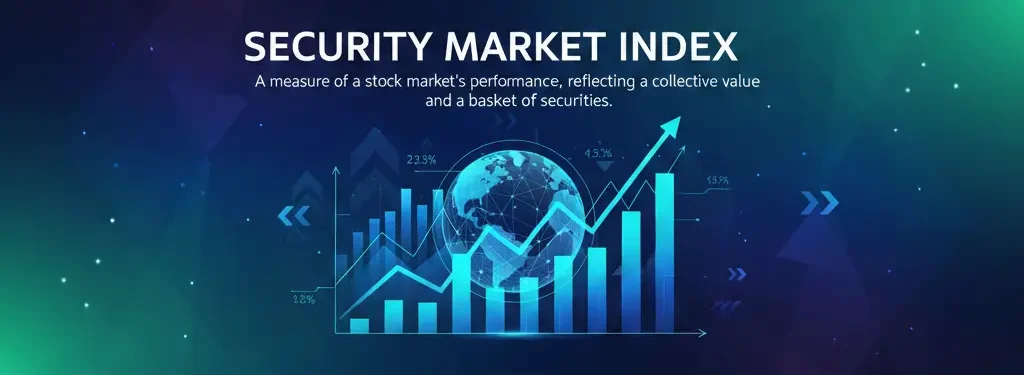
A security market index is a type of index that tracks a broad range of securities—not just stocks. Securities can include things like stocks, bonds, government securities and other financial instruments.
The key difference between a stock index and a security market index is that a stock index only tracks stocks or equity securities, while a security market index may include multiple types of financial instruments. This makes security market indices a more comprehensive tool for tracking the performance of a broader set of financial markets.
Why is this Important?
Security market indices give a more holistic view of the market by including various asset classes, such as:
- Stocks (equities)
- Bonds
- Government securities
- Corporate debt instruments
This gives investors a better sense of how the overall financial market is performing, not just the stock market.
How Does a Security Market Index Track Financial Markets?
So, how does a security market index actually work?
A security market index is built by combining the performance of various securities. The value of the index is calculated based on the prices or yields of the securities it tracks. Depending on the type of security being tracked (stocks, bonds, etc.), the index calculation method will vary. However, the primary goal is to give a single, comprehensive number that reflects the performance of the overall market or a specific subset of the financial world.
For example, an index that tracks bond prices will calculate the performance of the bond market based on factors like bond prices, yields and interest rates.
How It Tracks the Global Economy:
By combining different types of securities, a security market index offers an economic insight into how different parts of the financial world are performing. If bond prices are rising, it may indicate lower interest rates or investor confidence in government debt. If stocks are rising, it may signal economic growth and corporate profitability.
Examples of Security Market Indices:
- Global Bond Indices: These indices track the performance of bonds across different countries and sectors, offering insights into the bond market.
- Composite Indices: These indices combine multiple financial instruments, like stocks and bonds, to offer a broader view of the market.
Difference Between Stock Indices and Security Market Indices
While stock indices like the S&P 500 or Nasdaq are very popular, security market indices take a more comprehensive approach by including a variety of financial instruments, not just stocks.
Key Differences:
- Asset Coverage:
- Stock Indices: Only track stocks (equity securities).
- Security Market Indices: Track a broader range of securities, including stocks, bonds and other financial instruments.
- Market Representation:
- Stock Indices: Focus on specific markets (e.g., the U.S. stock market or tech stocks).
- Security Market Indices: Offer a more global or cross-market view, often tracking a wider range of asset classes and geographic regions.
- Risk and Return:
- Stock Indices: Reflect the performance of the stock market, which can be more volatile.
- Security Market Indices: Offer a more balanced view by including stable assets like bonds, which can act as a hedge against stock market volatility.
Security Market Indices vs Traditional Stock Market Indices
Now, let’s take a closer look at how security market indices compare to traditional stock market indices.
- Stock Market Indices (like the S&P 500) focus exclusively on stocks. They provide a great representation of how equity markets are performing, but they don’t capture other important parts of the financial world, like bond markets or government securities.
- Security Market Indices, on the other hand, track a broad range of securities. They can include stocks, bonds, real estate investments and even commodities, giving you a better overall picture of the entire market.
For example, a security market index like the Bloomberg Barclays Global Aggregate Bond Index tracks bonds issued by governments and corporations around the world. This index provides insights into the bond market, a crucial part of the financial ecosystem.
Why Does This Matter for Investors?
- Stock indices give you a picture of the stock market’s performance, but if you’re looking to understand the broader financial world, you’ll need a security market index.
- For example, during times of economic uncertainty, investors may seek the safety of bonds. In such cases, a security market index that includes bonds would give a better picture of overall market sentiment than just a stock index.
How to Use a Security Market Index for Diversified Investments
Security market indices are incredibly valuable for diversified investments because they provide exposure to multiple asset classes in one go. This allows investors to spread risk and gain access to different parts of the market.
How to Use a Security Market Index for Diversification:
- Invest in ETFs or Index Funds: Many exchange-traded funds (ETFs) and index funds track security market indices, making it easy to invest in a variety of financial instruments. For example, the Vanguard Total World Stock ETF (VT) tracks a global equity index, while the Vanguard Total Bond Market ETF (BND) tracks the U.S. bond market.
- Balance Your Portfolio: By investing in different security market indices, you can balance your portfolio between stocks, bonds and other assets, reducing your overall risk.
- Global Exposure: Many security market indices track global markets, giving you access to international stocks and bonds, which can be beneficial for diversifying your investments and taking advantage of global growth.
Security Market Indices for Institutional Investors
For institutional investors, such as pension funds, hedge funds and insurance companies, security market indices are particularly valuable. These investors often have to manage large portfolios that require exposure to a wide variety of assets to reduce risk and maximize returns.
Why Institutional Investors Use Security Market Indices:
- Comprehensive Market Tracking: Security market indices help institutional investors track not only stocks but also bonds, commodities and other financial instruments that make up a diversified portfolio.
- Benchmarking: Just like individual investors, institutional investors use security market indices as benchmarks to measure their portfolio performance. They can compare their returns against the broader financial market and adjust their strategies accordingly.
Tracking the Performance of Multiple Financial Instruments
Security market indices help investors and analysts track the performance of multiple financial instruments simultaneously. Whether it’s bonds, stocks or other assets, these indices provide a broad overview of market conditions and trends.
Why This Is Important:
- Holistic Market View: Investors can track how stocks, bonds and commodities are performing in relation to each other.
- Economic Insights: By tracking global security market indices, investors gain insights into how global events (like interest rate changes or geopolitical tensions) are affecting the overall financial markets.
Conclusion: The Importance of Security Market Indices in Investment Strategy
Understanding security market indices is key to gaining a better grasp of the broader financial markets. While traditional stock market indices focus primarily on equity markets, security market indices include a wide range of financial instruments that give you a more complete picture of the market’s performance.
Security market indices can help you:
- Diversify your investments across different asset classes.
- Gain global exposure to stocks, bonds and other financial instruments.
- Track the performance of multiple financial markets in one go.
Whether you’re an individual investor or an institutional investor, security market indices are an invaluable tool for managing risk, benchmarking performance and making informed investment decisions.