The crypto industry has come a long way from its “wild west” reputation. What started as a decentralized experiment is now a global financial system worth trillions, and governments don’t ignore systems that big. By 2026, regulations will have become tighter, clearer, and more structured. Whether you trade Bitcoin, altcoins, NFTs, or stablecoins, you need to understand the rules that govern them.
This isn’t boring legal theory. This is the stuff that affects your withdrawals, your taxes, your KYC verification, and even what crypto exchanges you’re allowed to use.
Let’s break it down in a practical way; no overcomplicated legal talk, just the truth about how crypto regulations work today.
Why Crypto Regulations Even Exist?
Crypto is global, fast, and almost impossible to control. That makes it powerful and also dangerous if misused. Governments brought in regulations to solve four major problems:
- Money laundering
- Tax evasion
- Terror financing & illicit activity
- Consumer protection
The goal is simple:
Make crypto safer and more transparent without killing innovation.
Whether you agree with this approach or not, regulations shape how we trade. So let’s dive into the most important part, KYC.
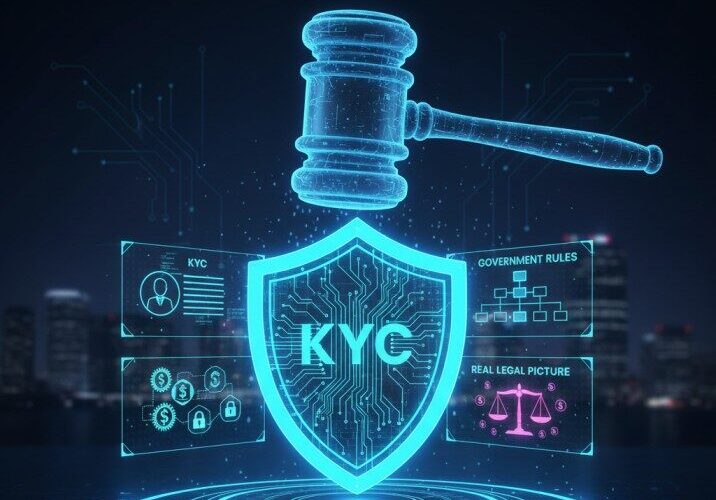
1. KYC (Know Your Customer): Your ID Card in the Crypto World
A few years ago, you could trade anonymously with just an email address. Those days are gone. By 2026, almost every regulated exchange requires full KYC verification.
What Does KYC Include?
Depending on your exchange and country:
- Full name and address
- National ID or passport
- Selfie or facial verification
- Proof of address (utility bill/bank statement)
- Source of funds (for large investors)
If you skip KYC, you usually get:
- Withdrawal limits
- Trading restrictions
- Account freezes
- Inability to deposit fiat
Many people dislike KYC because it kills anonymity, but regulators consider it essential for preventing illegal transactions.
Why KYC Matters for Traders?
KYC-protected exchanges have fewer scams, less wash trading, and better liquidity. It also means:
- You can recover your account if hacked
- You can deposit/withdraw large amounts
- You legally protect yourself from compliance issues
But KYC is just one part of the regulatory landscape.
2. How Governments Regulate Crypto?
Crypto laws vary by country, but most governments follow the same basic regulatory model.
a. Registration & Licensing of Exchanges:
Exchanges now require:
- A financial license
- Compliance officers
- AML (Anti-Money Laundering) procedures
- Mandatory reporting of suspicious activity
This is why many unregulated exchanges shut down or became offshore.
b. Taxation Rules:
Most countries now expect crypto traders to:
- Pay capital gains tax
- Report trading profits
- Declare mining or staking income
Some governments use automatic reporting, meaning exchanges report your trades directly.
c. Stablecoin Regulations:
USDT, USDC, and other stablecoins now face:
- Mandatory reserves audits
- Transparency requirements
- Restrictions on issuing synthetic dollars
This ensures stablecoins remain stable and trustworthy.
d. Custody Laws:
Institutions and exchanges must store customer assets separately from company assets.
This rule emerged after FTX collapsed, where customer funds were misused.
e. Token Classification:
Governments classify tokens as:
- Commodities (like Bitcoin)
- Securities (certain utility/gaming tokens)
- Payment tokens
- Stablecoins
This classification determines how each token is regulated.
3. Crypto Legality Around the World
Crypto isn’t “illegal” in most countries anymore, but the way it’s treated varies widely.
Countries With Clear, Supportive Crypto Laws
- USA (regulated through SEC + CFTC + IRS)
- EU (MiCA framework)
- UAE (VARA licenses, tax-free zones)
- UK (FCA registered exchanges)
- Singapore (strict AML laws but crypto-friendly)
These countries allow trading, but with strong compliance requirements.
Countries With Partial Restrictions:
- India: heavy taxation
- Turkey: regulated usage, limited crypto payments
- Pakistan: still unclear, banks restricted, but trading continues online
Countries With Severe Bans:
- China: Ban on trading & mining (but citizens still trade via VPN)
- Afghanistan: Full prohibition.
So legality depends on your region, but overall, crypto is becoming more regulated, not banned.
4. What These Regulations Mean for Everyday Traders
Regulations are not your enemy. In fact, they make the market more predictable and safer.
Here’s how they impact you:
1. Safer Exchanges:
Regulated exchanges are less likely to disappear with your funds.
2. More Institutional Investors:
Clear rules attract banks and funds, bringing more liquidity.
3. Reduced Scams:
Fake tokens, rug pulls, and pump-and-dump groups are declining.
4. Clear Tax Rules:
Instead of confusion, you have structured guidelines.

5. Enhanced User Protection:
Customer funds must be separated, audited, and insured.
But yes — there are downsides too.
5. The Downsides: What Traders Must Watch Out For
Not all regulations are trader-friendly.
1. Loss of Privacy:
No more anonymous trading on major platforms.
2. Higher Compliance:
More paperwork, more identity checks.
3. Restrictions on Leverage:
Many regulated exchanges limit leverage to reduce risk.
4. Tax Complications:
Traders must track every transaction, even swaps.
5. Possible Bans on Certain Tokens:
Governments can classify tokens as “securities,” affecting availability.
Conclusion:
Regulations aren’t the end of crypto — they’re the beginning of a more mature, global digital economy.
The trend is clear:
- More KYC
- More government involvement
- More legal clarity
- More institutional adoption
- More protection for investors
If you understand the rules, you can navigate the market with confidence and stay ahead of traders who ignore them.
Team
Microsoft Archives
News Just In Archives
TribuePost Footer
Missed by You Archives
Typography Elements
Our Authors
Uncategorized Archives
Best Mortgage Rates Archives
Opinion Archives
Education Featured Archives
Latest Market Updates Archives
Get In Touch
SmartTimes Categories
Sports Featured Archives
Live Market News Archives
Tablets & Mobiles Archives